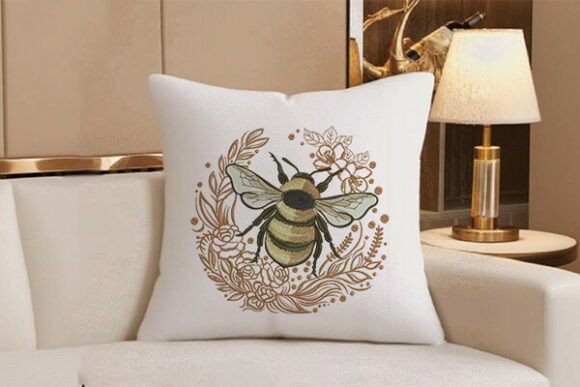
Bee Embroidery Design Review
First Impression: Modern, Playful, and Surprisingly Versatile
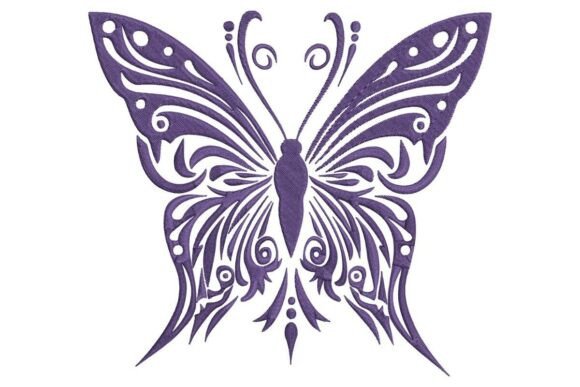
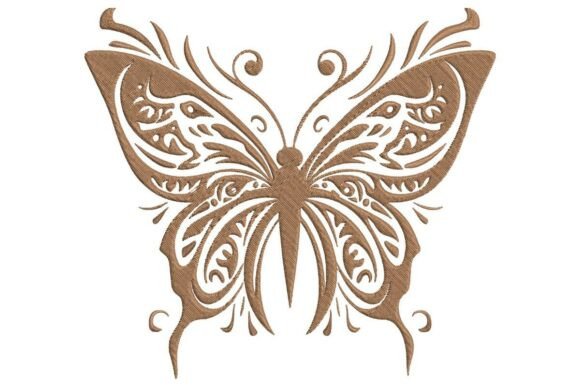
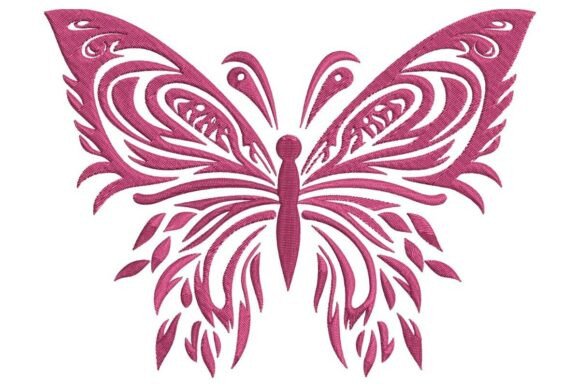
As an embroidery designer who’s built collections for boutique apparel brands and Etsy sellers over the past decade, I opened Bee with quiet curiosity—not hype. What stood out immediately was its confident simplicity: clean outlines, balanced negative space, and a subtle sense of motion in the wings. It doesn’t shout “cute” or lean into cartoonish exaggeration. Instead, Bee feels intentionally modern—trend-aware but timeless enough for seasonal rotation. The stitch density reads as medium-weight: not so dense it’ll overwhelm lightweight cotton or stretchy fleece, yet substantial enough to hold definition on dark sweatshirts or ribbed hoodies. It lands somewhere between playful and polished—ideal for brands that want warmth without whimsy overload.
Sweatshirt & Hoodie Performance: Where Bee Truly Shines
Bee is a natural fit for sweatshirt embroidery—especially chest placement on neutral heather grays, oatmeals, and soft black hoodies. Its compact scale (I’d estimate under 4" wide based on standard Creative Fabrica preview ratios) avoids swallowing the garment’s silhouette while still reading clearly in lifestyle product photos. On oversized hoodies, it works beautifully centered just above the left chest pocket—or scaled slightly larger for back designs where it anchors a minimalist composition. For sleeve accents? Yes—but only on the upper bicep, where fabric tension stays consistent. Avoid placing it near the cuff or elbow curve unless you’ve tested stabilizer performance on your specific knit blend.
What Works Well Across Apparel Types
- T-shirts: Crisp on 100% cotton tees, especially with tonal thread colors (e.g., mustard bee on cream, charcoal on deep navy). Avoid ultra-thin jersey unless you reinforce with tear-away + cut-away stabilizer combo.
- Denim jackets: Adds unexpected charm without competing with hardware or pockets. Best placed on the left chest or lower back yoke—never directly over seams or heavy topstitching.
- Tote bags: Holds up strongly on canvas and medium-weight linen blends. Position centrally on the front panel for instant visual balance in printable mockups and social media graphics.
- Cozy seasonal layers: Looks intentional on cable-knit cardigans and fleece-lined loungewear—just confirm hoop size fits comfortably around curved shoulders before digitizing adjustments.
Design Nuances That Elevate Boutique Branding
Bee doesn’t just decorate—it communicates. Its clean lines support brand identity for small shops focused on thoughtful, tactile goods. When used consistently across a collection (e.g., matching bee-embroidered sweatshirts, totes, and tea towels), it builds product recognition without needing logos. Buyers notice cohesion. That consistency signals intentionality—something handmade product shoppers actively trust. On Etsy listings, Bee performs well in lifestyle shots: perched beside a ceramic mug, stitched onto a folded hoodie draped over a chair, or subtly peeking from a tote’s side seam. It reads as premium because it *feels* considered—not mass-produced or overly saturated.
Where to Use Bee Thoughtfully (and Where to Pause)
Not every placement is equal. Here’s what I recommend—and what I’d double-check first:
- Small chest placement: Ideal. Keeps focus tight and proportions balanced—especially on youth sizes or petite-fit garments.
- Dense stitch areas: The wings and body have moderate fill; avoid layering additional text or icons directly beneath unless you verify stitch count and thread build-up won’t cause puckering.
- Stretchy fabric: Test on scrap fabric first. Ribbed knits and French terry need firm cut-away stabilizer—and possibly reduced top tension—to prevent distortion.
- Dark garments: Choose high-contrast thread colors (cream, lemon yellow, sky blue) for visibility. Avoid pale gold on black—it can disappear in shadowed folds.
- Curved surfaces: Skip the lower back waistband or hood edge. Stick to flatter zones like upper back, chest, or shoulder yoke.
Practical Designer Notes Before You Stitch
Before adding Bee to your next production run, treat it like any commercial embroidery file you’d source from Creative Fabrica: verify details, don’t assume. Check the product page for actual hoop size requirements—some insect-themed embroidery files include multiple sizes, others lock to one. Confirm file formats match your machine (PES, DST, JEF, etc.). Review licensing terms carefully: this is a machine embroidery design intended for finished product resale, but always cross-check if your use case falls under permitted commercial embroidery scope. Also, inspect stitch density visually—if the preview shows tightly packed fills, consider reducing density by 5–8% for fleece or heavy cotton blends. And never skip the scrap test: embroider Bee on the exact fabric, stabilizer, and thread combination you’ll use in production. That small step prevents costly rework and protects your boutique brand’s professional presentation.
Final Thought: A Quietly Confident Signature Element
Bee isn’t flashy—but that’s its strength. In a market crowded with overdesigned motifs, it offers clarity, charm, and quiet confidence. For Etsy sellers building a cohesive line of custom apparel, small shop owners launching their first embroidered capsule, or crafters expanding into digital embroidery files, Bee delivers reliable visual impact without demanding excessive technical compromise. It fits neatly into the Bugs Insects category while rising above trend fatigue—proof that thoughtful execution matters more than novelty. Whether you’re stitching it onto a limited-run hoodie drop or using it as a subtle accent across seasonal merchandise, Bee earns its place as a versatile, brand-friendly embroidery file worth keeping in rotation.