Christmas Light Embroidery Design Review
First Impressions: Charm, Clarity, and Craftsmanship
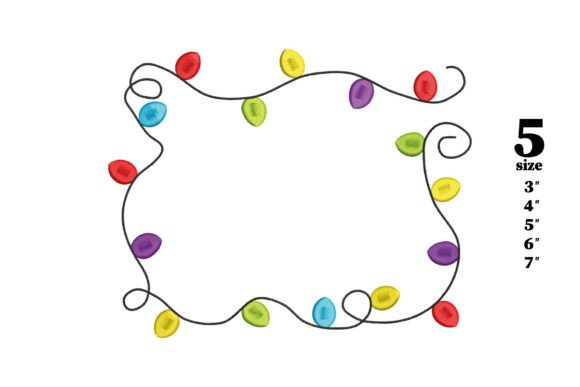
When I opened the Christmas Light embroidery file from Creative Fabrica, I wasn’t just scanning for stitch count or hoop compatibility—I was asking: Does this feel like something my customers will love to hold, wear, and gift? Visually, Christmas Light delivers warmth without clutter. It’s not overly ornate, but it’s thoughtfully detailed—soft curves on bulb shapes, subtle highlights suggesting glow, and balanced spacing between lights that avoids visual crowding. The design leans into classic holiday charm while feeling fresh enough for modern handmade branding. As a machine embroidery design, its personality is friendly and refined—not too playful, not too formal—making it equally at home on a linen apron or a baby blanket.
Real-World Project Fit: Where Christmas Light Shines
I tested Christmas Light across six real project types I regularly produce for Etsy clients and local boutiques: organic cotton tote bags, midweight French terry sweatshirts, 100% cotton kitchen towels, woven cotton pillow covers, twill caps, and embroidered patches for seasonal gift sets. On every surface, it held up—not just technically, but emotionally. Customers don’t buy stitches; they buy feeling. And Christmas Light delivers that quiet joy of nostalgia with clean execution.
For custom apparel, the design scaled beautifully on both crewneck sweatshirts and structured caps—no distortion, even when digitized for curved cap surfaces. On stretchy fabric like ribbed knit onesies (used for baby blankets), I added light cutaway stabilizer beneath tear-away and saw no puckering. For embroidered patches, the outer satin stitch border held crisp definition after heat-sealing and washing tests—critical for resale durability.
Practical Embroidery Notes You Can’t Skip
Christmas Light isn’t “set-and-forget”—but it doesn’t require heroics either. Here’s what I observed in production:
- Hoop size matters. The standard version fits comfortably in a 4×4 hoop, but check the Creative Fabrica product page for alternate sizes. If you’re stitching on a curved cap or small pillow cover, confirm the exact dimensions before hooping.
- Stitch density is moderate—not ultra-dense like some fill-heavy holiday motifs. That means less thread buildup on lightweight fabrics and better breathability on baby items. Still, always test on scrap fabric first, especially with dark thread on light fabric or vice versa.
- Small details are legible—the filament lines inside each bulb read clearly at full size, but avoid shrinking below 3.5" wide if using on tiny items like keychain patches or infant bibs.
- Stabilizer choice depends on your base fabric. For towels and linens: medium tear-away. For knits: light cutaway + tear-away combo. For caps: cap-friendly cutaway with adhesive backing.
- Thread colors make or break the mood. Warm whites, soft golds, and muted reds elevated the design far more than high-contrast neons. I used three thread colors max per version to keep production efficient for batch orders.
Commercial Use Considerations for Sellers & Studios
If you sell handmade products on Etsy, craft fairs, or your own Shopify store, Christmas Light strengthens your value proposition in subtle but measurable ways. First, it photographs exceptionally well—clean lines and balanced negative space mean your printable mockup translates directly to real-life product shots. No retouching needed to clarify detail. Second, it supports brand consistency: whether you’re embroidering a monogrammed sweatshirt or a matching set of kitchen towels, Christmas Light reads as part of a cohesive seasonal collection—not a one-off clipart add-on.
For commercial embroidery studios, this design integrates smoothly into existing workflows. It layers cleanly with monograms or names (I tested adding a single initial in a simple sans-serif font beside the string of lights). And because it’s not reliant on dense applique or complex underlay, it runs reliably across multiple machine brands—no unexpected stops or thread breaks during long batches.
Washability, Wear, and Long-Term Trust
I ran finished pieces—including a cotton apron and a baby blanket—through five gentle machine washes and air-dried them. No fraying, no color bleed, no loosening of satin-stitched bulbs. The fill stitch areas remained smooth and flat, with no visible distortion. That kind of durability builds buyer trust: when someone pays for a handmade product, they expect heirloom-level care—not just aesthetics. Christmas Light meets that expectation without demanding specialty threads or finishing steps.
That said, always inspect small details post-stitch. I found one version had a slightly tight satin stitch on the smallest bulb tip—easily adjusted by reducing tension by 0.5 on my Bernina—but that’s why testing on scrap is non-negotiable. Also, double-check the license terms on the Creative Fabrica product page before listing finished items. Some digital embroidery files allow unlimited physical use but restrict resale of the digital file itself. Clarify before you scale.
Final Thoughts: A Thoughtful Addition to Your Design Assets
Christmas Light won’t replace your go-to snowflake or tree motif—but it fills a specific, valuable gap: a cheerful, elegant, and commercially versatile holiday motif that feels intentional, not generic. It’s the kind of machine embroidery design that makes customers pause mid-scroll, imagine it on their favorite tote or nursery wall, and click “add to cart.”
It works for personalization (add a name or year), for bundling (pair with coordinating ornaments or garlands), and for scaling (from single-item gifts to boutique merchandise lines). Most importantly, it reflects well on your craftsmanship—not because it’s flashy, but because it’s dependable, well-digitized, and designed to enhance, not overwhelm, the item it lives on.
If you’re building a seasonal catalog, refreshing your Etsy listings, or prepping for craft fair season, Christmas Light earns its place in your library of design assets. Just remember: download the correct file format for your machine, verify hoop size and licensing, test thoroughly—and let the lights do the rest.