Geometric Star Ornament
A Designer’s Real-World Test: When Modern Geometry Meets Meaningful Gifting
As an embroidery designer who’s shipped over 2,000 custom orders for baby boutiques, wedding studios, and Etsy shops, I approach every new machine embroidery design like a product planner—not just a stitcher. When the Geometric Star Ornament landed in my inbox, I didn’t open it to admire; I opened it to ask: Will this elevate a personalized gift—or quietly undermine it?
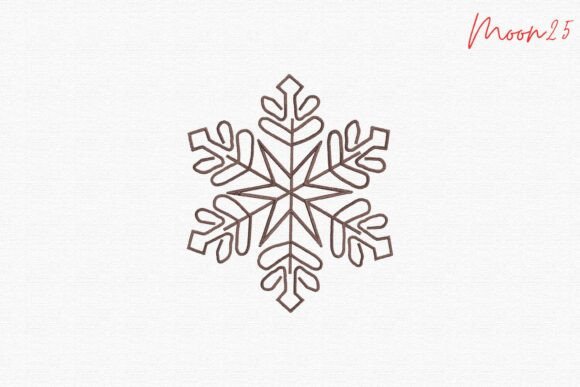
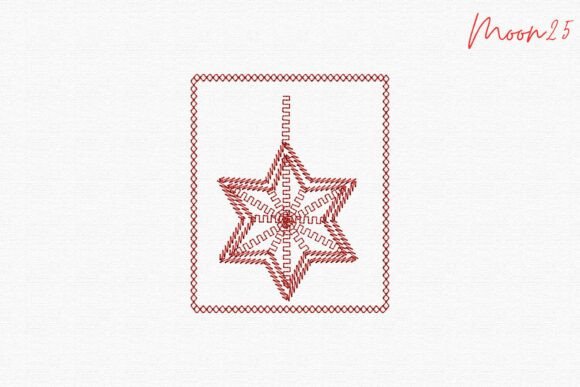
First impression? Instant clarity. This isn’t a nostalgic snowflake or a whimsical reindeer—it’s bold, balanced, and unmistakably modern. The open decorative stitch creates air and rhythm, while the zigzag fill adds subtle movement, and the chain-stitch border grounds it with confident structure. It feels elegant but not stiff, seasonal but not cliché, handmade but not amateurish. It leans into Winter without shouting “holiday”—making it perfect for year-round gifting with quiet seasonal resonance.
Where This Design Truly Shines (and Who’ll Love It)
The Geometric Star Ornament excels where emotional intention meets clean execution—exactly what customers seek in high-touch personalized gifts.
- Baby embroidery: Stitched on a soft cotton blanket or muslin swaddle, it reads as serene and intentional—not cutesy or cluttered. Parents choosing minimalist nursery decor consistently respond to its calm geometry.
- Wedding gift: Embroidered on linen pillow covers or monogrammed kitchen towels, it adds contemporary sophistication to bridal registries. Paired with neutral thread colors (oatmeal, charcoal, dusty rose), it complements both rustic and modern venues.
- Family keepsakes: Think heirloom-style quilt blocks or framed embroidery hoops. Its layered effect holds up beautifully at 4–5 inches—large enough to read, small enough to feel intimate.
- Small shop products: As an Etsy seller or craft fair vendor, this design helps your booth stand out. It photographs exceptionally well—clean lines catch light, and the open stitch avoids that “flat” look common in dense fills.
- Custom tote bags & aprons: On medium-weight canvas or denim, the chain-stitch border resists fraying, and the geometric shape scales cleanly across curved seams or angled pockets.
Where to Proceed With Care
Even strong designs have boundaries—and honoring them protects your reputation, your machine, and your customer’s trust.
- Fabric texture matters: Avoid heavily napped terrycloth or ultra-thick terry towels. The open stitch needs surface definition—opt instead for tightly woven cotton or linen-blend towels for crisp embroidered towel results.
- Stretch is a challenge: Skip stretchy baby onesies or jersey knit blankets unless you’ve tested stabilizer combinations thoroughly. The zigzag fill relies on fabric stability to maintain its precision.
- Dark fabric demands contrast testing: That delicate open stitch can disappear on navy or charcoal without high-contrast thread. Always run a printable mockup side-by-side on light and dark fabric swatches.
- Curved surfaces need placement strategy: Don’t place the full star directly over a rounded pillow corner or tote bag gusset—the distortion will blur the geometry. Center it on flat panels instead.
- Wash durability: While the chain-stitch border is robust, frequent hot washes may soften the zigzag fill’s definition over time. Recommend cold gentle cycles for blanket embroidery or baby items.
Why This Design Builds Buyer Trust—Before the First Stitch
In handmade markets, perceived value isn’t just about materials—it’s about visual coherence and intentionality. The Geometric Star Ornament signals craftsmanship instantly: its balanced negative space, deliberate layering, and confident line work tell buyers, “This wasn’t rushed. This was chosen.”
That translates directly to engagement. Etsy sellers report higher add-to-carts when using this design in lifestyle photos—especially styled on folded linen throws or leaning against ceramic mugs. Customers linger longer. They imagine gifting it. They type personalization notes without hesitation.
It also strengthens trust in your process. When a bride sees this star on her custom napkin set, she doesn’t question whether it’s “real embroidery”—she feels the care behind the choice. That emotional connection reduces returns, increases reviews, and fuels word-of-mouth referrals.
Practical Embroidery Notes Every Maker Should Run Before Production
This isn’t theoretical—I’ve learned these the hard way. Apply them before stitching your first customer piece:
- Always test on scrap fabric—same weight, same finish, same dye lot—as your final product.
- Verify thread color contrast early. What reads as “soft gray” on screen may vanish on oatmeal linen.
- Confirm hoop size compatibility. If your machine requires re-hooping mid-design, the alignment of those multi-layered elements must be flawless.
- Review stitch density—not just for speed, but for breathability. Too dense = stiff towel; too open = fragile detail.
- Match stabilizer to fabric: tear-away for stable wovens, cut-away for knits, and lightweight fusible for sheer linens.
- Check small details post-stitch: zoom in on corners and points. Does the chain-stitch terminate cleanly? Are zigzag transitions smooth?
- Confirm commercial licensing before selling finished products. This is a digital embroidery file—you need rights to produce and resell physical goods.
Finally: don’t assume. Even if the product description says “complex, open decorative stitch,” pull up the actual embroidery file. Zoom in. Count layers in the preview. See how it renders at 3”, 4.5”, and 6”. That extra five minutes saves hours of rework—and preserves your hard-earned reputation as a thoughtful, reliable maker.
The Geometric Star Ornament isn’t just another winter embroidery design. It’s a quiet confidence-builder—for your products, your customers, and your craft.