Badger Embroidery Design: Honest Review for Craft Fair Sellers
As someone who stitches for a living and spends weekends selling at handmade markets, I judge every machine embroidery design through a single, hard lens: will it stop a customer mid-stride and make them reach for their wallet? When I loaded up the Badger file for the first time, I wasn’t just looking at a woodland animal — I was picturing it on a taupe linen tea towel, on the front of a waxed canvas tote, and on a deep green cap, all under the warm lights of my booth. This design, with its unmistakable striped face and textured fur, has a distinct personality that can either be your best seller or a finicky stitcher’s headache, depending on how you use it. Here’s what I’ve learned after testing it across multiple craft fair product ideas.
First Impression: Bold, Woodland, and Surprisingly Versatile
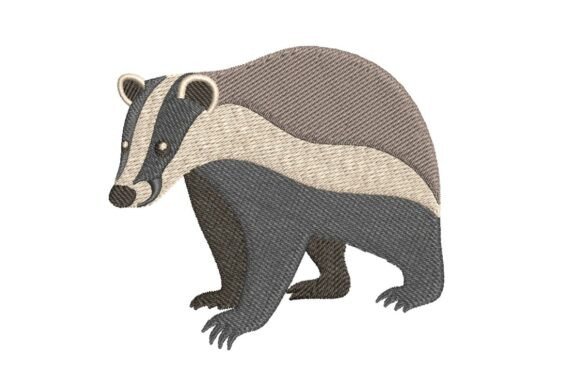
The Badger immediately reads as a striking woodland piece. The black, white, and grey stripes are graphic and high-contrast, which means from across a busy aisle, a customer’s eye will land on it. There’s no cutesy, cartoonish feel here; the design leans into the animal’s natural silhouette and textured fur, which gives it a slightly rustic, almost storybook quality. It can work equally well in a farmhouse-style display next to linen and wood, or in a modern, minimalist setup where the monochrome face pops against a solid background. The mood is confident, not fussy — and that’s exactly what you want in a handmade product that needs to sell itself in seconds.
Where the Badger Design Shines on Craft Fair Products
Not every embroidery file performs equally on every surface. After testing the badger on a range of blanks, I found clear winners. Here’s where it earns its keep:
- Tote bags and market bags: A large, centered placement turns a simple canvas tote into a statement piece. The badger’s face fills a 5x7 or 6x10 hoop beautifully, and the black, white, and grey palette means it matches any bag color.
- Tea towels and kitchen linens: On a flour-sack cotton or linen blend, the design adds a rustic woodland touch. It photographs beautifully for Etsy seller listings and looks even better in person when the fabric drapes.
- Embroidered patches: If you hoop a sturdy twill or felt, this design makes a perfect sew-on or iron-on patch. The bordered face shape lends itself to a clean patch edge, and the high contrast makes it visible on jackets, backpacks, and caps.
- Pillow covers and home decor: A single badger on a textured cotton or linen pillow cover creates a cozy, woodland lodge feel. Pair it with other Woodland Animals designs for a full collection.
- Aprons and smocks: For boutique makers, a small badger on the bib of a utility apron — especially in earthy tones — appeals to gardeners, potters, and outdoor enthusiasts.
On smaller items like zipper pouches or cosmetic bags, the design works best scaled down to a 4x4 hoop size, but you’ll need to be cautious about detail loss. On curved surfaces like caps, the badger’s face can distort if not carefully placed; I recommend a cap-specific hoop and a design that’s been digitized with a slight curve compensation.
Selling Points That Make Customers Stop and Buy
In a booth full of flowers and monograms, an animal design stands out — but only if it triggers an emotional connection. The badger does that for a few specific buyer types: the nature lover who identifies with wildlife, the hiker or camper who wants a touch of the forest at home, and the customer who simply appreciates a clean, graphic image. The black-and-white face with subtle grey shading reads as both bold and premium, which means you can price the finished product slightly higher than a typical floral embroidery. When I describe it to customers as “woodland spirit” or “a little piece of the forest,” they nod — and they buy.
For small shop product photography, this design is a dream. The contrast makes it pop on light backgrounds, and the striped face is instantly recognizable even in a thumbnail. Use a printable mockup to show the badger on a tote or towel in your Etsy listing, and you’ll get clicks from people searching for “woodland animal gifts” or “rustic embroidery.”
Stitching Smarts: What to Check Before You Run a Batch
I’ve ruined enough fabric to know that a beautiful digital file doesn’t always translate to a clean stitch-out. The badger design has a few areas that demand a test run. The textured fur section, while giving the animal its character, can be stitch dense and may cause puckering on lighter fabrics. Always use a cut-away stabilizer for garments and a tear-away for flat items like towels, and bump up to a heavy weight if your fabric is thin. The tiny details around the eyes and the stripe edges need crisp thread colors — if your black thread is slightly fuzzy, the definition blurs. I strongly suggest a polyester or high-sheen rayon thread for the white and grey so the contrast stays sharp.
- Hoop size: Verify the design’s dimensions before purchase. A badger that looks majestic in a 6x10 hoop may become a muddy mess if auto-shrunk to 4x4.
- Fabric texture: Avoid heavily textured towels or loose-weave linen for the first stitch-out; the fine fur details can sink into the fibers and lose definition. A smooth, medium-weight cotton or canvas is your safest starting point.
- Dark fabric: The design relies on black outlines and black stripes. On a dark charcoal or navy background, those elements disappear. Always test contrast on a scrap of your actual fabric, and consider a lighter grey or white backing if you must use a dark base.
- Small lettering: This design, as described, does not include text, which is a relief. Adding tiny script later would be a risk — the busy face demands breathing room.
Design Display Tips for a Craft Fair Booth
When I set up my table, I think in layers of height and texture. The badger works best as a focal piece, not a background filler. I hang a large tote on a standing rack at eye level, place a folded tea towel in a wooden crate, and lean a pillow cover on a shelf. The black and white face creates a natural focal point, so I avoid cluttering the area with other high-contrast designs. I often pair it with softer woodland motifs — ferns, mushrooms, simple trees — to build a Woodland Animals story without overwhelming the eye. A small sign reading “Forest Finds” or “Wild at Heart” ties it all together, and customers often want to buy the whole set.
For patches, I display them pinned to a felt board or a vintage frame, and I always have one sewn onto a denim jacket that I wear. It’s a walking conversation starter. And never underestimate the power of a finished product that people can touch — the texture of the badger’s fur stitching is tactile, and letting a customer run their fingers over it often seals the deal.
Practical Notes for Digital Sellers and Etsy Shops
If you’re selling the embroidery file itself rather than the finished item, this design is a strong addition to a woodland or animal bundle. The badger is less common than foxes or deer, which means it fills a niche that customers actively search for. When listing, include the stitch density information, recommended hoop size, and the number of thread colors. A clear, well-lit photo of the actual stitch-out on a natural linen background — not just the digital mockup — builds trust and reduces returns. Always clarify your commercial embroidery licensing: can buyers use the design on items they sell? Many crafters will only purchase digital embroidery file assets that come with a straightforward commercial use policy.
One more thing: create at least one real, physical mockup before you list the digital embroidery file. A badger that stitches out beautifully on your machine might behave differently on a customer’s home setup. Photograph the test piece, note your stabilizer and thread brand, and include these details in the listing. It’s a small effort that builds a reputation for quality.
Is the Badger Your Next Craft Fair Hero?
After stitching out half a dozen versions and watching customers react, I’m confident this badger design deserves a spot in your inventory — if you treat it with the respect it demands. It’s not a set-it-and-forget-it beginner file; it asks for a test run, the right fabric, and a bit of placement thought. But the payoff is a handmade product that feels intentional, looks premium, and taps into the evergreen love for woodland themes. For craft fair sellers, that’s a combination worth its weight in thread.
Before you commit to a production run, stitch out a sample on a few different backgrounds, check the stitch density on the fur section, and experiment with scale. If the fine details around the ears hold up, you’ve got a winner. If not, stick to larger placements where the design can breathe. And as always, verify that the embroidery file includes the right formats for your machine and that your license covers commercial embroidery use on end products. A little preparation now means a weekend of happy customers and a booth that feels like a curated woodland workshop.