Handmade Scissors Embroidery Design
First Impression: Rustic Charm with Handcrafted Warmth
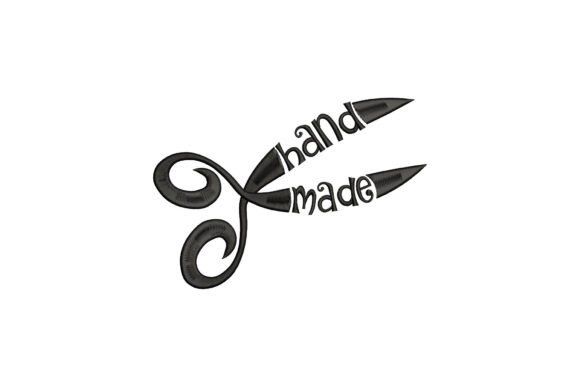
As an embroidery designer who’s prepped over 200 craft fair booths, my gut reaction to Handmade Scissors is immediate and favorable: it reads as warm, intentional, and quietly confident—not loud or trendy, but deeply *handmade*. The title alone signals authenticity, and the description—“add beauty and texture… gives your creations a unique handcrafted feel”—tells me this isn’t a generic clipart-style motif. It leans into rustic elegance, with implied linework, subtle dimension, and thoughtful negative space. That’s gold for buyers browsing handmade markets where emotional resonance sells faster than technical perfection.
Where Handmade Scissors Shines on Craft Fair Products
In my booth setup—featuring embroidered tote bags, aprons, tea towels, patches, fabric pouches, pillow covers, and market totes—Handmade Scissors performs strongest where craftsmanship is visible and tactile:
- Tote bag design: Works beautifully centered on the front panel (8–10” wide) or subtly along the side seam—adds personality without overwhelming the bag’s utility.
- Apron embroidery: Ideal above the pocket or near the waistband. Its balanced shape reads clearly even when the wearer is moving—no visual competition with pockets or straps.
- Tea towel embroidery: Stands out against linen or cotton waffle weave. The “decorative” quality in the description means it holds up against fabric texture without looking flat or lost.
- Embroidered patch: A natural fit—small enough to hoop easily, detailed enough to justify premium pricing ($8–$14), and versatile across jackets, denim, and kids’ backpacks.
- Fabric pouch & pillow cover: Serves as a quiet signature—reinforcing brand identity without shouting. Customers consistently pause longer at items where the embroidery feels like a *choice*, not an afterthought.
It’s less effective on curved surfaces like caps unless scaled down to 2.5” max—and even then, test stitch density carefully. On dark fabric, contrast becomes critical: avoid light thread on black twill unless you’re using underlay and dense fill.
Real-World Selling Strengths
Handmade Scissors earns its place in a commercial embroidery lineup because it’s instantly legible, emotionally cohesive, and commercially flexible. At a glance, customers understand it’s about making, mending, and mindful creation—not just scissors, but *craft*. That narrative sticks.
It photographs exceptionally well for Etsy listings and printable mockups: clean lines, strong silhouette, and implied texture translate reliably across lighting conditions. As a digital embroidery file, it lends itself to batch production—no tiny lettering, no fragile micro-details that fray or vanish at 3”. And because it avoids excessive fill areas, stitch density stays manageable across fabric types, reducing thread breaks and rehooping during long runs.
For small shop product curation, Handmade Scissors supports brand consistency: use it across your tote + apron + patch trio, and customers begin recognizing your aesthetic—even without a logo. In person, it strengthens booth display by anchoring a “maker’s corner” vignette: pair it with vintage scissors, spools of thread, and a handwritten tag saying “Made With Care.” Engagement spikes when buyers connect the design to their own creative rituals.
Careful-Use Notes Every Designer Must Check
Before cutting your first production run, treat Handmade Scissors like any high-intent machine embroidery design—don’t assume it’s foolproof. Here’s what I verify every time:
- Test on scrap fabric matching your final product (e.g., terry cloth for tea towels, duck canvas for totes).
- Check thread contrast—especially if stitching on textured or dark fabric. What reads as crisp on white linen may blur on charcoal chambray.
- Review spacing and proportions at both 4” and 7” sizes. Does the handle taper cleanly? Do blade edges stay distinct?
- Confirm hoop size compatibility—some versions of decorative scissors designs push width limits; know yours before loading 50+ files.
- Inspect stitch density in tight curves or overlapping elements. Overly dense fills trap moisture on kitchen textiles and stiffen lightweight apparel.
- Use the right stabilizer: cutaway for stretchy fabrics, tear-away for stable wovens, and heavy-duty for thick towels.
- Create at least one real mockup—not just a digital preview. See how light hits the raised satin stitch. Feel the hand.
- Compare fabric colors side-by-side: navy vs. olive vs. oatmeal—does the design retain warmth or wash out?
- Confirm commercial licensing before selling finished products. If this is a digital embroidery file from a third-party marketplace, double-check usage rights for physical goods.
Final Thought: A Quiet Anchor for Your Handmade Line
Handmade Scissors isn’t flashy—but that’s its power. In a sea of floral monograms and quote-based embroidery, it offers grounded, tactile storytelling. It fits seamlessly into Sewing Crafts and Embroidery collections while standing apart through intentionality. For Etsy sellers, boutique makers, and craft fair vendors, it’s not just another design asset—it’s a conversation starter, a value amplifier, and a repeatable signature that says, “I make things that matter.” Just remember: let the fabric, thread, and context do the talking—then let Handmade Scissors do the listening.