Teacup: A Charming Embroidery Design for Meaningful Handmade Gifts
First Impressions: Soft, Sweet, and Full of Quiet Elegance
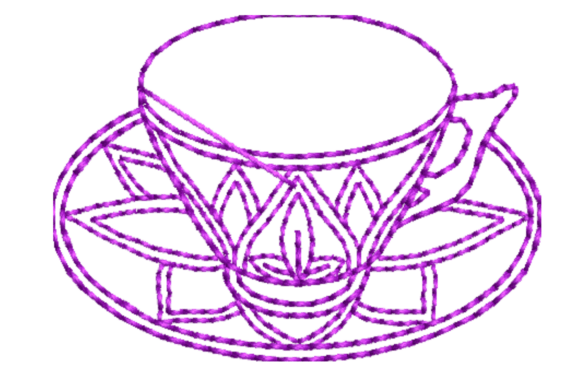
As an embroidery designer who’s stitched thousands of personalized keepsakes—from baby blankets to wedding towels—I opened the Teacup design on Creative Fabrica with genuine curiosity. What greeted me wasn’t just a silhouette or a generic icon—it was a gentle, hand-drawn charm: softly curved handle, delicate steam swirl, subtle shading in the ceramic body, and a quiet sense of warmth. It feels cozy and classic, not trendy or fleeting. There’s no loud ornamentation—just graceful line work and thoughtful spacing that invites intimacy. Whether you’re stitching for a newborn’s nursery or a couple’s monogrammed towel set, Teacup carries emotional weight without needing words.
Why This Design Fits Real Gift-Making Moments
Teacup shines where handmade intention matters most. For baby embroidery, it nestles beautifully into corner motifs on organic cotton swaddles or along the hem of a knit blanket—soft enough for sensitive skin, distinctive enough to feel special. As a wedding gift, it pairs effortlessly with initials or dates on linen napkins, embroidered tea towels, or pillow covers for the couple’s first shared kitchen. I’ve used similar motifs for Etsy listings labeled “Nursery Keepsake” or “Bridal Shower Favor,” and Teacup fits those categories naturally—it reads as both timeless and personal.
It also works across product types that small shop owners rely on: aprons (stitched above the pocket), canvas tote bags (centered on the front panel), custom gift boxes (embroidered on fabric-lined lids), and even holiday-themed items like embroidered mugs cozies or stocking accents. Because it belongs to the Tea Coffee category—but avoids literal realism—it transcends seasons. It’s equally at home in spring baby showers and autumn bridal markets.
Practical Use Across Fabrics and Projects
One thing I appreciate about this Creative Fabrica embroidery design is its adaptability. On tightly woven linens—like flour sack or Belgian damask—the fine details hold up cleanly, especially when paired with a medium-weight tear-away stabilizer. On plush terry cloth towels, I recommend a light cut-away backing to prevent puckering around the curve of the cup. For stretchy baby onesies or jersey-knit blankets, a soft fusible stabilizer adds security without stiffness.
Dark fabrics? No problem—if you choose high-contrast thread colors (ivory on navy, charcoal on cream), the shape remains legible and elegant. And because Teacup avoids tiny lettering or micro-details, it’s forgiving for beginners while still satisfying experienced stitchers who value clean fill transitions and balanced stitch density.
Where It Adds Emotional Value—and Sales Trust
Customers don’t buy embroidery files—they buy meaning. When you offer a handmade product featuring Teacup, you’re offering comfort, ritual, and care. That translates directly to perceived quality: a well-stitched Teacup on a linen pillow cover tells your buyer, “This wasn’t rushed. This was chosen with thought.” That feeling boosts engagement—especially on Etsy, where shoppers scroll past dozens of listings but pause for pieces that feel intentional.
For digital product sellers, Teacup also lends itself beautifully to printable mockups. Pair it with warm-toned backgrounds, soft shadows, and lifestyle photography (think: a steaming mug beside a knitted blanket), and you elevate your entire product presentation. It’s not just a design—it’s a storytelling anchor.
Smart Embroidery Notes Before You Stitch
Before adding Teacup to your next batch of orders, take these practical steps:
- Create a test stitch-out—even if you’ve used similar designs before. Fabric texture changes everything.
- Check small details after stitching, especially the steam curl and cup rim. Are they crisp? Do they read clearly at your intended size?
- Compare thread colors side-by-side on your actual fabric—not just on screen. Light affects perception.
- Test on similar fabric first: same weight, weave, and stretch as your final project.
- Confirm hoop size compatibility with your machine and intended placement—some versions may require repositioning for larger items like blankets.
- Review stitch density. If you plan dense fills on thick fabrics, consider adjusting underlay or reducing density slightly for smoother results.
- Use proper stabilizer—not just “any” stabilizer. Match it to fabric behavior: tear-away for stable wovens, cut-away for knits, fusible for lightweight silks or voiles.
- Always check product details and licensing on Creative Fabrica before selling finished products. Licensing terms vary by designer, and commercial embroidery rights must be confirmed per file.
A Thoughtful Choice for Small Business Crafters
If you're an Etsy seller, baby product maker, wedding gift creator, or digital embroidery file reseller, Teacup is more than decoration—it’s a versatile emotional connector. It doesn’t shout. It invites. It fits seamlessly into curated collections, seasonal launches, and evergreen handmade lines. Whether stitched solo on a tea towel or grouped with floral sprigs for a custom nursery wall hanging, it maintains integrity and charm.
In a market crowded with flashy fonts and overdesigned icons, Teacup stands out by being quietly confident—elegant without pretense, simple without being sparse. That’s the hallmark of a truly useful machine embroidery design: one that serves both the maker’s skill and the receiver’s heart.
So whether you’re building your first small shop product line or expanding your portfolio of personalized gifts, let Teacup be the gentle, steady presence in your embroidery library—a reliable favorite for every season, every milestone, and every handmade moment that matters.