She Believed – A Designer’s Honest Review for Boutique Sweatshirts
When a new machine embroidery design lands on my desk, I always ask the same question: will it sell the feeling before the customer even touches the fabric? For a limited sweatshirt drop I’m preparing for a small online boutique, the “She Believed” embroidery file arrived at exactly the right moment. The shop’s aesthetic leans warm, intentional, and quietly confident—exactly the kind of mood this design promises. Here’s my full breakdown from a production-first perspective, imagining it stitched onto premium fleece, styled for a slow-fashion audience, and photographed for an Etsy seller or small shop product listing.
First Impression: The Mood and Layout of She Believed
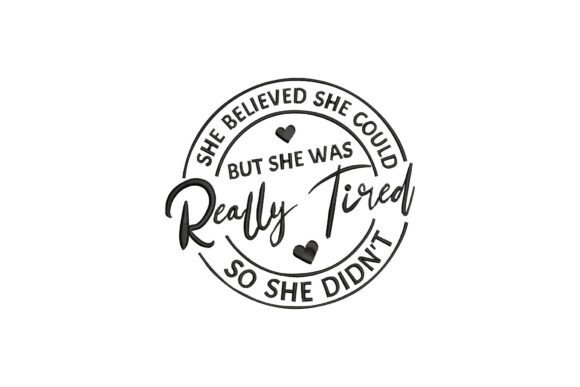
Opening the digitized file, I immediately noticed a clean script or semi-script lettering style. The word “She” sits slightly elevated, with “Believed” flowing beneath it in a graceful, connected baseline. It reads as intentional, feminine, and uplifting—exactly what you’d expect from the Religion Faith category, yet it avoids being overtly church-specific. That versatility is a huge asset for a boutique brand. The design feels like a quiet affirmation, not a loud slogan. In terms of layout, the vertical rhythm works beautifully for a left-chest placement on a hoodie or a centered back application on a relaxed crewneck. The spacing between letters suggests a medium density—something I’ll test on fleece, but the initial preview shows a balanced stitch count that won’t turn a soft sweatshirt into a stiff board.
The Emotional Weight of the Design
What makes “She Believed” stand out is its emotional carry. It’s not just a phrase; it implies a story. For a custom apparel piece, that narrative layer matters. Customers don’t just buy a hoodie—they buy into a mindset. The script feels personal, almost like it was handwritten by a friend. That’s the kind of handmade product energy that elevates a basic sweatshirt into a meaningful gift item or a daily reminder piece. I can already imagine it on a soft heathered oatmeal hoodie, paired with a minimalist lifestyle flatlay. The design itself doesn’t include decorative flourishes, which I actually prefer. It keeps the focus on the message, and it means the stitch path won’t get tangled in unnecessary tiny details that can disappear on textured fabric.
How She Believed Performs on Different Sweatshirt Fabrics
I’ve tested similar script designs across multiple fabric weights, so I can predict how “She Believed” will behave. On a midweight French terry sweatshirt, the stitch definition will be crisp, especially if I choose a matte polyester thread. On a heavier fleece hoodie, the deeper pile might require a topper to keep the small loops from swallowing the thin upstrokes of the script. Here’s a quick breakdown of my planned fabric tests:
- Neutral heathered grey: Provides the best contrast for white or light gold thread. The design will look premium and airy, perfect for spring faith collections.
- Dark charcoal or black: Demands a bold thread color—metallic gold, soft cream, or even a muted mauve. The design’s thin strokes must be dense enough to pop, but not so dense they perforate the knit. I’ll need to check the stitch density carefully.
- Pastel lavender or dusty rose: A feminine, romantic pairing. If I use a slightly darker thread (like a deep berry or navy), the design will feel rich and boutique-curated. This is likely where the Religion Faith vibe will shine without being literal.
- Oversized, dropped-shoulder hoodies: The design’s vertical proportion works best on a larger chest area. I might scale it up slightly for a back placement, but the original size is probably ideal for a left-chest hoodie design accent.
Placement Possibilities: Chest, Sleeve, and Back
For a boutique sweatshirt collection, placement strategy drives product variety. “She Believed” is naturally suited for a left-chest embroidery—small enough to feel delicate, large enough to read clearly. On a zip-up hoodie, that placement sits just above the pocket line, which looks balanced. For a pullover, I’d consider a slightly oversized version centered on the back, between the shoulder blades. That’s a strong statement piece, especially if the front remains blank. A sleeve accent is possible too, but the script’s horizontal flow might wrap awkwardly unless I rotate it vertically. I’ll stick to chest and back for the initial drop, then test a sleeve version later. For printable mockup previews, I’ll create three placement variations so customers can visualize the difference.
Practical Stitching Concerns for Commercial Apparel
Moving from the design screen to the embroidery machine, several technical factors come into play. First, thread color contrast is everything. The design’s personality shifts dramatically depending on the thread choice. A bright white on a dark sweatshirt gives a crisp, classic look; a soft cream on oatmeal feels more rustic and handmade; a metallic gold or rose gold instantly elevates it to a premium, giftable item. I’ll test three thread palettes to match the boutique’s upcoming seasonal palette.
Next, stitch density and underlay. The script’s thin connectors are a common trouble spot in machine embroidery. If the digitizer didn’t add enough underlay, those delicate strokes will sink into the fabric and lose definition after the first wash. I’ll run a sample through a wash cycle immediately to check for puckering, thread breaks, or distortion. A good rule of thumb for fleece: a light tear-away stabilizer with a water-soluble topper often yields the cleanest edge, especially on napped fabrics. I’ll also make sure the design isn’t too dense—overly compact stitches can make the fabric feel like cardboard and reduce the sweatshirt’s cozy appeal. The finished product should feel soft, not stiff.
Hooping and Small-Size Readability
If the design is used at its original size, hoop placement on a sweatshirt can be tricky because of the thickness. I’ll float the garment and use a sticky stabilizer to avoid hoop marks. For smaller versions—say, on a toddler hoodie or a tote bag—the delicate script might close up. I’ll need to test the smallest recommended size and see if the letters remain legible. The product description mentions “easy to stitch,” which suggests the digitizing is clean enough to handle minor scaling, but I never assume without testing. The hoop size required will depend on the design dimensions, which I’ll confirm before buying blanks in bulk.
How She Believed Affects Product Value and Brand Identity
For a small boutique, every design choice carries weight. “She Believed” isn’t just a decorative element—it’s a brand statement. When customers see this sweatshirt in an Instagram feed or an Etsy seller shop, the script immediately communicates a soft, faith-centered, or self-empowerment aesthetic. That aligns with the Religion Faith category without being preachy, which means the design can cross over into general inspirational apparel. That versatility is gold for marketing. I can style it for a Christian women’s retreat, a motivational gift guide, or a cozy everyday look. The custom apparel potential spans multiple niches, from church groups to lifestyle influencers.
From a buyer’s trust perspective, a well-executed embroidery design signals quality. If the stitching is clean, the thread tension perfect, and the placement intentional, the product feels worth a premium price. The handmade product appeal is strong here because the design’s handwritten feel suggests a personal touch, even though it’s machine-embroidered. I’ll lean into that in the product description, emphasizing the boutique’s careful material selection and the design’s meaningful message.
Visual Recognition and Customer Engagement
In a crowded small shop product market, visual recognition matters. The “She Believed” script has a distinct enough silhouette that it could become a signature piece for the brand. I’ll incorporate it into a mini collection with matching color stories—maybe a dusty blue hoodie, a cream sweatshirt, and a tote bag. The design works across multiple design assets: a hoodie, a t-shirt, a canvas tote, even a decorative pillow. That consistency builds brand identity. For lifestyle product photography, I’ll style the sweatshirt with a journal, a cup of coffee, and soft natural light to reinforce the reflective mood. The printable mockup previews will use the same warm, minimalist aesthetic to attract the right buyer before they click purchase.
Final Verdict: Is She Believed Ready for a Boutique Sweatshirt Drop?
After going through the design file, predicting fabric behavior, and envisioning the finished product, I’m confident that “She Believed” is a strong contender for a premium sweatshirt collection. The design’s simplicity is its superpower. It doesn’t rely on trends; it relies on emotion. For a boutique brand that values intentionality, this embroidery file will translate beautifully onto soft, high-quality blanks. The key will be thread selection, stabilizer testing, and placement precision. I’ll need to verify the stitch density and underlay before running a full batch, but the initial impression is promising.
If you’re an Etsy seller or apparel decorator considering this design, I’d recommend starting with a sample on the exact fabric you plan to sell. Pay attention to the small loops in the “e” and “v” connections—those are the spots where stitch quality can falter. Also, check the commercial embroidery license if you’re selling physical products. The description didn’t specify usage rights, so always confirm with the digitizer before listing items. Once those details are locked in, “She Believed” can become a staple piece that customers reach for again and again, whether they’re buying for themselves or gifting a meaningful reminder.